When it comes to maintaining the integrity of your home, one of the most critical aspects to monitor is the condition of your walls and ceilings. Cracks in these structures can often be more than just cosmetic issues; they may serve as vital indicators of underlying problems, such as foundation settlement. At San Diego Foundation DeskSan Diego Foundation Desk, we understand that homeowners need to be vigilant about signs that could signal serious foundation issues, especially in regions like San Diego where unique geological conditions can impact stability. Foundation settlement is a natural phenomenon that can occur due to various factors, including soil movement, water drainage issues, and even the natural settling process of a building over time.
Recognizing the signs early can save homeowners from costly repairs and ensure the safety and longevity of their property. In this article, we will delve into the different types of cracks that can appear in walls and ceilings, what they might indicate about your foundation's health, and how to approach remediation effectively. We aim to equip you with knowledge that empowers you to address these issues proactively. When it comes to home maintenance, cracks in walls and ceilingscracks in walls and ceilings are often overlooked, yet they can serve as critical indicators of underlying issues such as foundation settlement. Understanding these cracks is essential for homeowners, particularly those living in hillside and canyon properties in San Diego, where unique geological challenges can exacerbate foundation problems.
The San Diego Foundation Desk emphasizes the importance of addressing these cracks promptly to prevent further structural damage and maintain the integrity of your home. Cracks can appear in various forms, each signaling different potential issues. For instance, hairline cracks, which are typically less than 1/8 inch wide, may indicate normal settling or minor shrinkage in the building materials. However, larger cracks that exceed 1/4 inch in width or show signs of movement can be a cause for concern. Vertical cracks may suggest settling, while horizontal cracks often point to more serious issues like wall bowing or pressure from expanding soil.
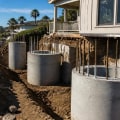
Recognizing the type of crack present is crucial in determining the necessary course of action. For hillside properties specifically, the risks associated with foundation settlement can be compounded by soil erosion and water drainage issues. Homeowners facing significant foundation problems may need to consider repair methods tailored to their specific needs. Among these methods, underpinning, piering, and caisson installation are common solutions. Underpinning involves deepening the foundation to reach more stable soil layers, while piering uses steel piers driven into the ground to lift and stabilize the structure.
Caisson installation is similar but typically involves larger, drilled foundations that provide additional support for homes on steep slopes. Each method comes with its own set of implications regarding cost, effectiveness, and long-term stability. For example, while caisson installation may be more expensive due to the complexity of drilling deep into rocky soil, it often provides superior long-term stability for homes at risk of sliding or shifting. On the other hand, piering might be a more cost-effective solution for homes experiencing moderate settling. Homeowners should carefully weigh these options based on their specific circumstances and budget. Slope stabilization techniques are also essential considerations for homeowners in San Diego's hillside areas.
Proper drainage solutions can mitigate water accumulation that leads to soil erosion and foundation issues. This may include installing French drains, retaining walls, or even surface grading to redirect water flow away from the foundation. Each solution should be tailored to the unique landscape of the property to ensure effectiveness. When seeking out contractors for foundation repair or slope stabilization, it is vital to identify reputable professionals who have experience with hillside properties. Homeowners should look for contractors who are licensed and insured, with a solid track record in foundation repairs.
Asking questions during consultations can help gauge their expertise; inquire about their experience with similar projects, their approach to your specific issues, and what warranties they offer on their work. Be wary of quotes that seem unusually low; they may indicate a lack of quality or hidden costs down the line. It is natural for homeowners to have concerns about foundation repairs. Many worry about the disruption caused by construction work or whether the chosen method will effectively resolve their issues without recurring problems. However, working with experienced professionals can alleviate these concerns significantly.
They will provide insights into how long repairs will take, what you can expect during the process, and how to maintain your foundation post-repair. In summary, recognizing cracks in walls and ceilings as early warning signs of foundation settlement is crucial for homeowners, especially those residing in San Diego's challenging hillside environments. With various repair methods available and a focus on proper drainage and slope stabilization techniques, it is possible to protect your home from further damage. Engaging with knowledgeable professionals like those at San Diego Foundation Desk can provide homeowners with the guidance needed to make informed decisions about their foundation repair needs.
Types of Cracks: What Do They Mean?
Understanding the types of cracks that appear in your walls and ceilings is crucial in identifying potential foundation settlement issues. At San Diego Foundation Desk, we recognize that different crack patterns can signify varying degrees of structural stress and concerns.Here are the most common types of cracks you may encounter:Vertical Cracks: Typically, vertical cracks are a sign of minor foundation settling. These cracks often occur as the home settles into the ground, especially in areas with sandy or loamy soil. While they may appear alarming, they often indicate normal settling and can be easily repaired.
Horizontal Cracks:
In contrast, horizontal cracks are more concerning as they may indicate significant pressure from the soil against the foundation walls. This pressure can arise due to poor drainage or excessive moisture accumulation around the home.If you notice horizontal cracks, it’s essential to consult experts like those at San Diego Foundation Desk to assess the situation promptly.
Diagonal Cracks:
Diagonal cracks are often indicative of uneven settling or shifting in the foundation. These cracks typically start at a corner and extend upward or downward at an angle. The causes can vary, but they often relate to foundational instability, which requires immediate attention. In summary, recognizing these crack types is a vital step in understanding the health of your home's structure. If you notice any of these cracks developing in your walls or ceilings, it’s wise to seek professional advice to ensure your home remains safe and stable.The Role of San Diego Foundation Desk
When it comes to understanding and addressing foundation issues, San Diego Foundation Desk serves as an invaluable resource for homeowners.With their expertise focused on the unique challenges presented by hillside and canyon properties, they provide essential guidance for identifying the signs of foundation settlement, such as cracks in walls and ceilings. Homeowners may often feel overwhelmed when faced with these issues, but San Diego Foundation Desk simplifies the process by offering clear, actionable information tailored to the specific needs of properties in these regions. One of the key ways that San Diego Foundation Desk assists homeowners is by helping them understand the types of foundation problems they may encounter. This includes not only recognizing the indicators of settlement but also comprehending the underlying causes, which can vary significantly based on soil composition and drainage patterns in hillside areas. By providing a comprehensive overview of these factors, they empower homeowners to make informed decisions about necessary repairs. Additionally, San Diego Foundation Desk offers insights into various repair options available to address foundation issues.
While they do not bid jobs or act as contractors, their independent guidance helps homeowners evaluate potential solutions ranging from simple repairs to more extensive structural modifications. This ensures that homeowners are well-equipped to discuss their options with qualified contractors who can implement the recommended solutions. Ultimately, partnering with San Diego Foundation Desk means gaining access to expert knowledge that helps demystify the complexities of foundation settlement and repairs. Their commitment to educating homeowners fosters a proactive approach to maintaining structural integrity, ensuring that properties remain safe and secure for years to come.
Foundation Repair Methods for Hillside Properties
When it comes to addressing foundation issues in hillside properties, it's crucial to choose the right repair method, as these structures face unique challenges such as soil erosion and shifting landscapes.San Diego Foundation Desk
provides valuable insights into various foundation repair techniques tailored specifically for hillside environments. One common method is the use of piering, which involves installing piers deep into the ground to reach stable soil or bedrock.This technique effectively supports the weight of the structure and prevents further settlement. The benefit of piering is its long-term stability, but it can be costly and may require extensive excavation. Another option is slab jacking, which involves injecting a cement-based mixture under the foundation to lift and level it. This method is less invasive compared to piering and can be a quicker fix; however, it may not be suitable for all types of hillside properties, particularly those with significant underlying issues.
Retaining walls
can also play a crucial role in hillside foundation repair. They help manage water runoff and stabilize soil, thus reducing the risk of erosion and settlement.While effective, retaining walls require proper design and construction to withstand the lateral pressure from soil and water. Lastly, slope stabilization techniques, such as soil nailing or the use of geogrids, can provide additional support to prevent landslides and further movement. These methods are particularly beneficial in areas prone to heavy rainfall or where the terrain is unstable. However, they can be complex to implement and may require professional expertise. Ultimately, selecting the right foundation repair method for hillside properties involves weighing the benefits and drawbacks of each technique. Consulting with experts like San Diego Foundation Desk can help homeowners navigate these decisions effectively and ensure their homes remain safe and secure.
Choosing the Right Contractor
When it comes to addressing cracks in walls and ceilings that may indicate foundation settlement, selecting the right contractor is crucial.San Diego Foundation Desk emphasizes the importance of hiring qualified professionals who understand the unique challenges posed by hillside and canyon properties in San Diego. With the right expertise, you can ensure that your home’s foundation is assessed accurately and repaired effectively. Begin your search by looking for contractors who specialize in foundation repair and have experience with hillside properties. Ask for recommendations from friends, family, or local real estate professionals. Once you have a list of potential contractors, it’s essential to conduct thorough research.
Check their online reviews, ratings, and any available testimonials to gauge their reputation. As you narrow down your options, prepare a list of key questions to ask during initial consultations. Inquire about their experience specifically with foundation settlement issues, particularly in San Diego's unique landscape. Questions such as: "How many similar projects have you completed?" and "Can you provide references from previous clients?" will help you assess their qualifications. Additionally, it’s important to be aware of red flags during your interactions. Be cautious of contractors who provide vague answers or pressure you into making quick decisions.
A reputable contractor will take the time to explain the repair process and will be transparent about costs and timelines. Always ask for a written estimate before agreeing to any work. Finally, consider the contractor’s licensing and insurance status. Verify that they hold the necessary permits to operate in San Diego and that they are insured against accidents and damages that may occur during the repair process. This not only protects you but also indicates a level of professionalism that is essential for any major home repair. By following these guidelines and seeking the expertise of established resources like San Diego Foundation Desk, you can make informed decisions when choosing a contractor to address cracks in walls and ceilings and ensure your home’s foundation is secure for years to come. In conclusion, cracks in walls and ceilings serve as critical indicators of potential foundation settlement, and addressing them promptly can prevent further damage to your home.
As discussed, understanding the different types of cracks and their implications is essential for homeowners, especially those living in unique environments such as hillside and canyon properties in San Diego. The expertise of San Diego Foundation Desk can help guide you through the complexities of foundation issues, offering valuable insights into repair methods and contractor selection. If you notice any signs of foundation settlement, do not hesitate to seek professional help. Early intervention is key to preserving the integrity of your home. Remember, San Diego Foundation Desk is a trusted resource for information on local foundation challenges, ensuring that you are well-equipped to tackle any issues that may arise.